
Search Engines
Evaluating and Using Search Engines
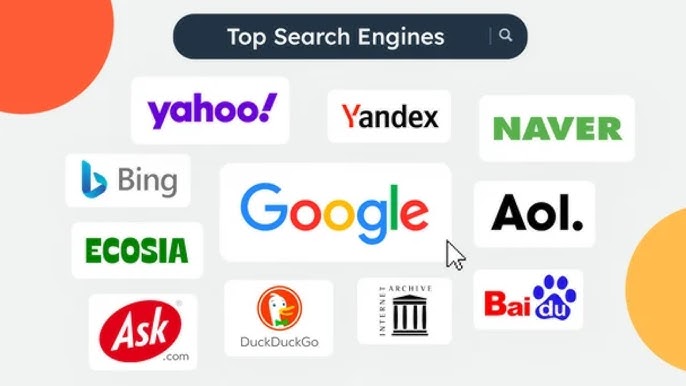
I evaluated several search engines, including Google, Bing, and Yahoo to determine which platform offers an effective user experience. Although Google remains the market leader with a global share exceeding ninety percent, I found Bing to be the superior choice for my personal needs. The interface appears less cluttered than its competitors. A visible search bar allows for immediate navigation without distractions. This accessibility helps me locate academic resources quickly. Comparing results across these engines revealed that search algorithms prioritize different types of data. Understanding these differences allows me to refine research strategies by selecting the engine that matches my goals. I will apply this knowledge to my studies by performing cross-platform searches to ensure that I gather comprehensive results. However, personally, I use Google as I’ve grown up with it, and I am very familiar with using Google Scholar for research/English papers.
Learning about Artificial Intelligence (AI)
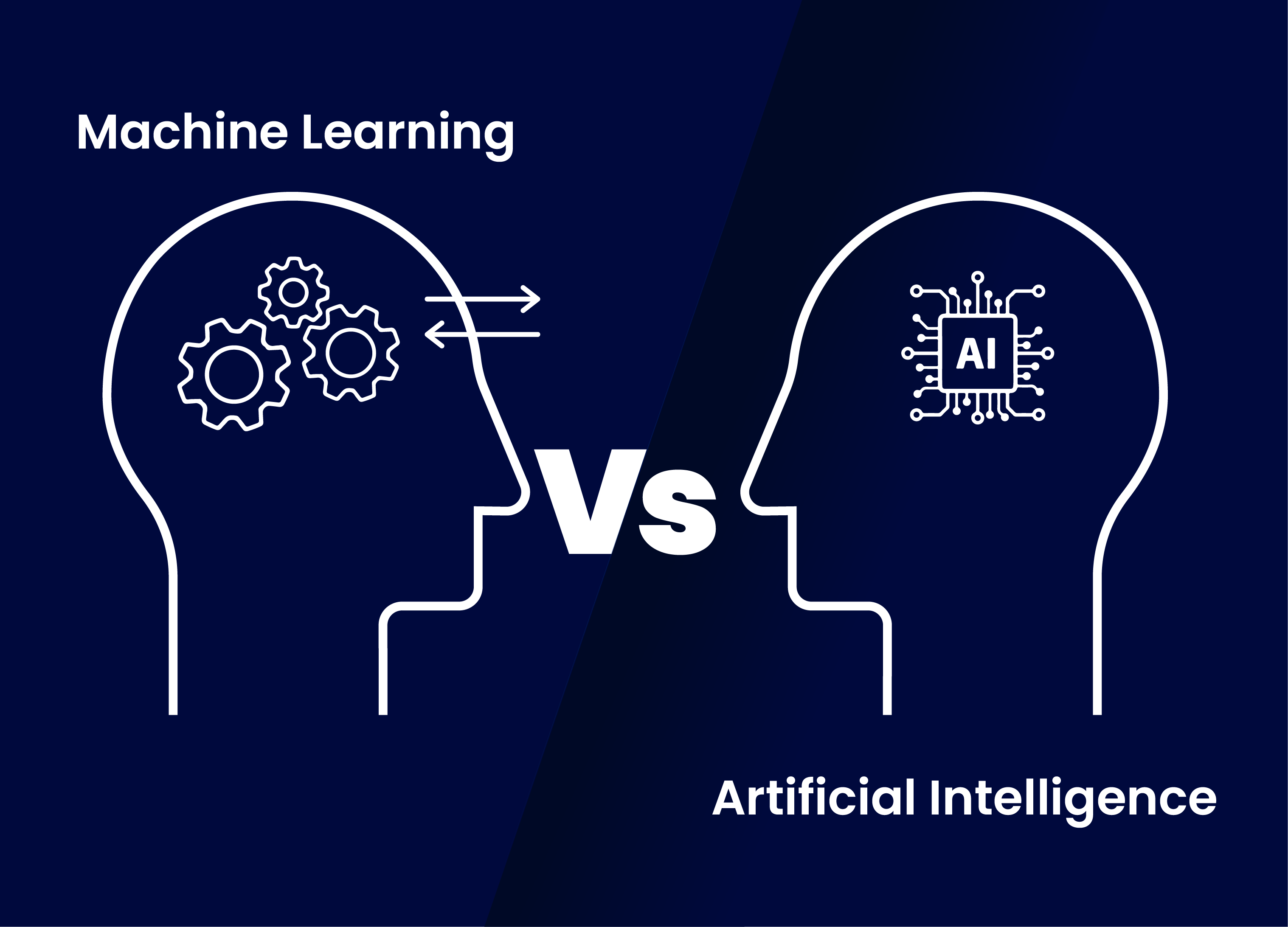
While many people use the terms AI and Machine Learning interchangeably, Machine Learning is actually a subset of the broader field of Artificial Intelligence. This knowledge is important when evaluating technologies like large language models. These models present risks such as generating inaccurate information or reflecting inherent biases in training data. I also explored alternatives to ChatGPT, like Claude and Gemini to find tools that provide specialized assistance. This training teaches me to approach automated systems with a critical eye. I now understand the importance of verifying information from multiple sources instead of relying on a single output. This skill is vital for maintaining academic integrity in a world dominated by automated content. Using these tools wisely will help me streamline my writing process while I remain aware of potential errors.
The Internet Archive
Finally, I explored the Internet Archive and the Wayback Machine to understand the importance of digital preservation. This tool allows users to view historical versions of websites that may no longer exist in their original form. I practiced adding new URLs to the archive to ensure that information remains accessible for future reference. Seeing the evolution of sites like Youtube illustrates how digital content changes over decades. This activity has practical applications for my professional life because it provides a way to retrieve lost data. Learning to archive information ensures that I contribute to the value of human knowledge on the web.